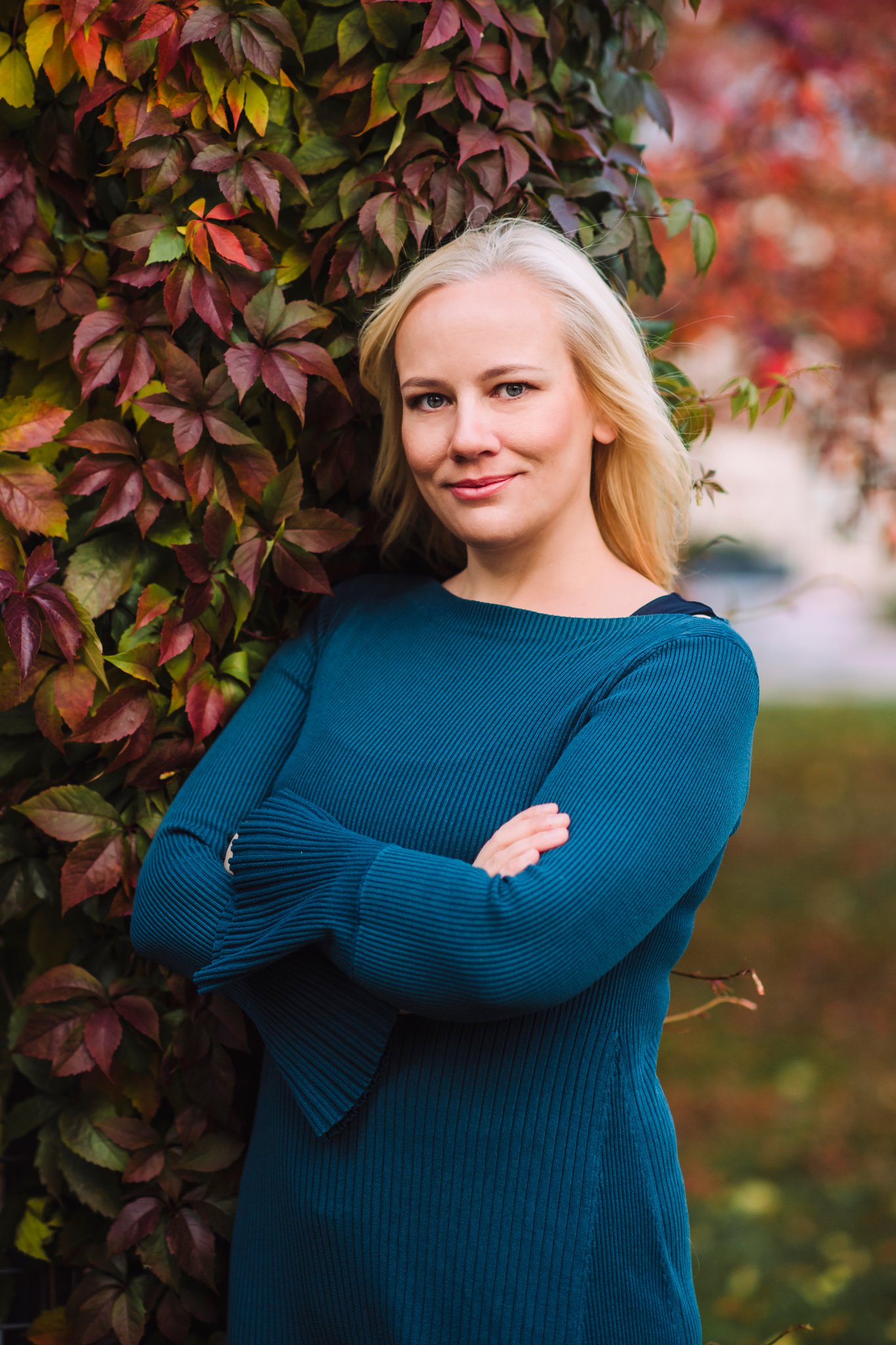
Triin Hertmann
President of Estonian Founders Society
Estonia needs to find its next advantage
For a country synonymous with tech unicorns, they have been pretty thin on the ground lately. We’ve been searching high and low for our next unicorn for several years now - circling Starship and Pactum for a while, and lately even tried giving Skeleton and Frankenburg a nudge too, but none of them have brought the title home just yet. Let’s hope it happens soon, but we do have a new kid on the block.
That wait may be over in the form of a company who makes little noise about being here in Estonia but is showing rapid growth. Blackwall, which protects websites from malicious bots, cyberattacks and unauthorised data scraping has been valued at over a billion euros in the TopTech rankings. Providing a service that almost every company in the world increasingly needs, Blackwall sells its solution through web hosting providers, helping them filter out harmful web traffic and reduce server loads and costs. This news should bring some excitement to our ecosystem.
Holding out for an IPO
Wise and Bolt have held firmly on to the top two spots for years. Although both are valued slightly lower this year than last, they still account for 68% of the combined value of the companies in the rankings. They therefore have a strong influence on the overall picture too.
Building on that - we have been eagerly awaiting Bolt’s IPO for years to release some of that value to the market. It could cause a small earthquake, freeing up capital for new investments and bringing a breath of fresh air to the movement of talent too. Surely there are some future founders sitting at their desks in the Vana-Lõuna - Veerenni triangle just waiting for their big pay day.
There have been no other major liquidity events with the potential for a similar impact recently either. We have seen some smaller companies have achieved successful exits, but we have seen no market-shaking deals in recent years since Pipedrive changed hands.
Estonia’s edge has moved
We’ve now reached a point where the pace of starting and building a company has accelerated beyond what we can easily grasp. Having software already built used to give you a definite advantage: six months spent building it meant that competitors starting today were six months behind you. That’s no longer true, and we have to look elsewhere for an edge. Could it be in distribution, the team’s domain expertise, regulatory barriers and data that others do not have? That is why I am curious to see how these rankings will be shaken up in the years ahead.
Surprisingly it stands out that there are still relatively few AI success stories among our most valuable companies despite the push to make Estonia an AI leader in Europe. Good old Pactum remains a steady presence, while Zobi’s interesting, if slightly baffling, sprint to 17th place gives us another example.
Looking at the AI-powered rockets taking off around the world in just a few short months, Estonia’s field of strong AI companies still looks rather sparse. Rapid experimentation is certainly a good thing, but the more interesting question is how many of these companies can build a business and a product that customers are willing to keep paying for.
Defence and resilience establishing a stronghold
Shining the beacon for Estonian tech is the defence industry - it has strengthened its position, bringing hardware and robotics along with it. Only a few years ago, investors saw both hardware and robotics as niche areas. Now I have not heard anyone say, “Hardware is hard” in quite some time. It’s doubtful that building hardware has become easier in the meantime, but it does offer a competitive edge that has become far less predictable for software-only products.
A third area with high expectations for the future is energy and storage technology, and some very strong companies have already emerged here in Estonia too. Energy and security are increasingly seen under the same broad umbrella of resilience, and we are also seeing more new companies emerge at the intersection of the two.
Create the environment for success
If we want to keep producing new billion-euro companies, we also need to ask ourselves, as a country, whether we truly want to help new startups and technology companies thrive, and whether we are willing to put our weight behind them as a state. We increasingly see our neighbours making a very deliberate commitment to supporting and developing technology businesses, and devoting substantial resources to doing so.
We have enjoyed a great deal of success, and as a digital nation we have plenty to be proud of. Estonia also remains an excellent place to start and grow a company. But we need to recognise that, even in economics, the soup is thicker in one corner of the pot. If we want to accelerate economic growth, we need to create the right conditions for, and invest in, those capable of achieving substantial international growth.