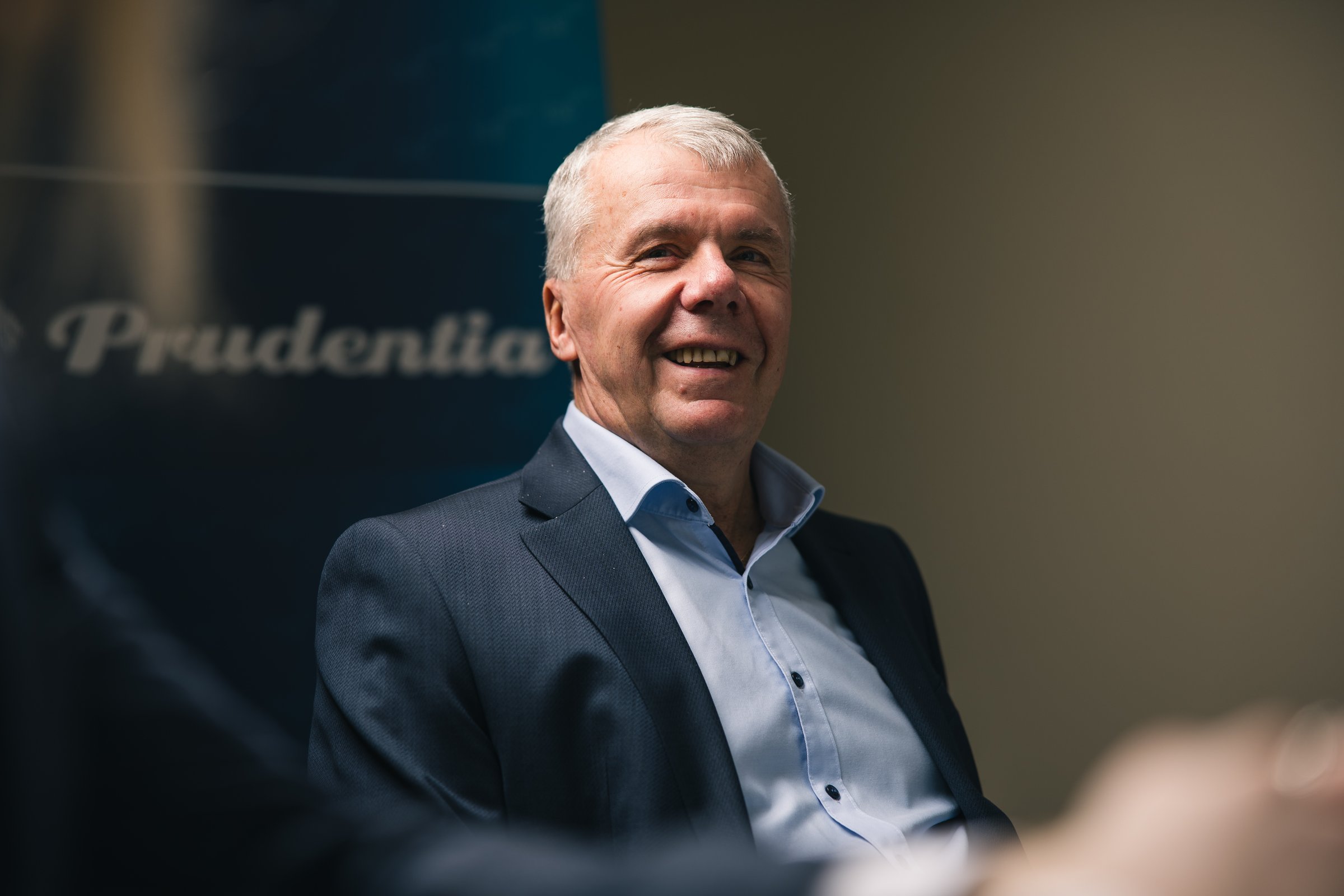
Illar Kaasik
Managing Partner at Prudentia Tallinn
Estonia’s technology sector is changing: how defence technology and AI are shaping the future of our economy
The Estonian technology sector and the TopTech rankings reflect the significant combined impact of global market trends and geopolitical shifts. Whilst the traditional multiples-based capital market and the software sector are weathering a period of consolidation, defence technology and deep tech are experiencing a massive growth spurt. At the same time, artificial intelligence has evolved from a mere add-on feature into a strategic technology, dividing market participants into three distinct camps.
The cooling of capital markets and the explosive growth of the defence industry
The global venture capital markets’ adjustment to higher interest rates has led to a correction in valuation multiples. Investors no longer value hyper-growth alone; instead, the focus has shifted to actual operating profit and cash flows. Wise and Bolt illustrate the general cooling of the market and the shift in focus towards profitability. Pipedrive reflects the decline seen across the global software valuation market — where previous peak valuations (e.g. 10–12x revenue) have corrected to around 3.5–5x — and Toggl and Admirals Group have similarly adjusted.
The growth in NATO defence spending and the need for next-generation security technologies have propelled the Estonian defence industry to the top of the rankings in terms of numbers of companies (7 firms). Frankenburg Technologies surged to ninth place with its mass-produced missile systems. Threod Systems and Milrem Robotics demonstrate the surging demand for unmanned systems. New entrants to the rankings include Hevi Optronics, Krattworks and Ark Robotics.
The cyber security sector is holding its ground firmly. Veriff returned to the top three, offering AI-based identity verification. The biggest growth in the rankings was achieved by Blackwall, which specialises in preventing bot attacks and has risen to fifth place with a valuation of over one billion euros.
Artificial intelligence is reshuffling the deck: from pure AI to IT consultancy
Artificial intelligence is no longer simply an additional feature, but a key driver of value that divides companies into three camps:
- Pure AI model and system developers: Companies whose core product and main source of revenue is the AI models themselves, rather than merely the automation of existing processes. Pactum AI carries out transactions for major global corporations using models that conduct autonomous contract negotiations, whilst Zobi made a powerful debut with its Tallinn-based AI laboratory, which trains specialised large-scale models.
- Operational efficiency and margin boosters: Companies that use artificial intelligence primarily to optimise costs and protect margins. Wise and Wallester are deploying algorithms to prevent financial fraud and money laundering, whilst Bolt is optimising models to balance ride demand and supply and for dynamic pricing.
- Adapters in labour-intensive software development and the SaaS sector: Code-writing tools are boosting programmers’ efficiency, putting pressure on manual IT services. Nortal and Helmes are moving away from manual coding towards strategic business consultancy and AI integration services. Scoro and Katana are embedding AI workflows directly into their software.
Impact on the Estonian economy: contributors to the state coffers and the multiplier effect
The companies in the TopTech ranking form the structural and strategic foundation of the Estonian economy. The average salary in the sector is more than double the Estonian average. Major employers such as Wise, Bolt, Nortal, Helmes and Veriff pay tens of millions of euros in payroll taxes every month, ensuring a stable flow of tax revenue.
There is also a constant recycling of knowledge and capital within the sector. Industry veterans such as Taavet Hinrikus, Martin Villig and Ragnar Sass channel their capital into new start-ups as angel investors, creating a significant multiplier effect in the economy.
Deep-tech and CleanTech industry giants such as Skeleton Technologies, Elcogen and Stargate Hydrogen are steering the economy towards engineering education and exports that generate real added value, bringing billions of euros in foreign currency into the country.
Summary
Estonia’s technology sector is undergoing a significant phase of maturation. Whereas the sector was previously driven mainly by smart software and cloud solutions, the focus is now shifting towards security, deep tech and artificial intelligence technologies. These sectors not only generate exports that fill the state coffers and create high-paying jobs, but also make a direct contribution to national security and a sustainable economic model.